Copilot said: Meet Shelley Cashmore, DQH's Project Administrator & Colour Consultant. From contracts to colour selections, she helps turn dream homes into reality with care and expertise.
What a Site Inspection Actually Reveals (and Why It Matters Before You Buy Land)
At Dwyer Quality Homes, we’ve seen it time and time again: the excitement of finding the “perfect” block can move fast, sometimes faster than the questions that really matter. After more than 40 years building across South East Queensland, we know that what is under, around and beyond a block of land can make or break a build before it has even begun.
That’s where a site inspection comes in. It’s one of those steps that’s easy to overlook when you’re eager to secure land, but it’s also one of the most valuable things you can do before signing on the dotted line.
More Than a Walk Around the Block
A site inspection isn’t just about standing on a block and picturing where the living room might go. It’s a practical, detailed look at the conditions that will shape your build, your budget and your timeline.
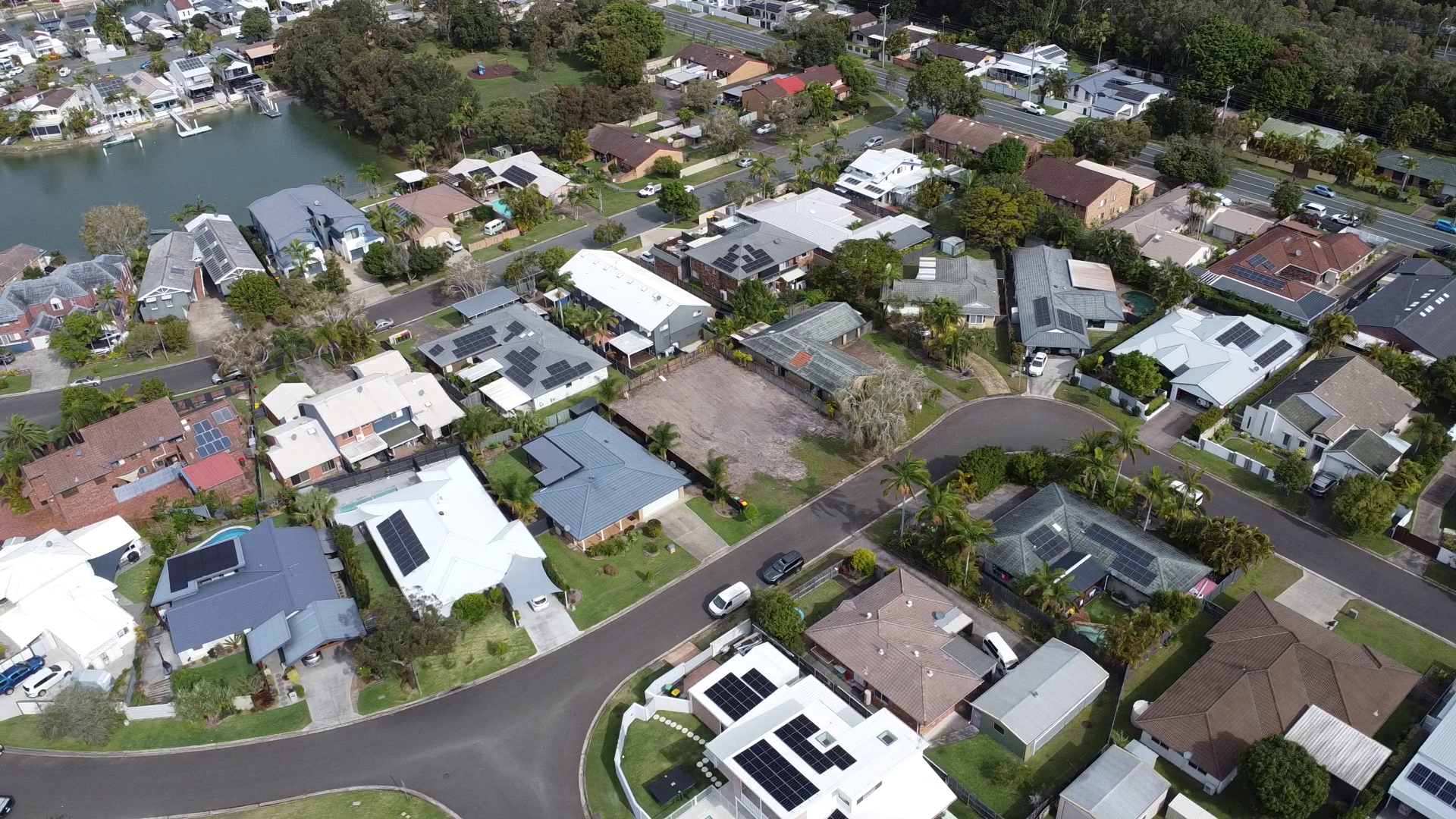
For our team, it means assessing things like the slope and contour of the land, drainage patterns, existing vegetation, access points, and how the block sits in relation to its surroundings. Every one of these factors can influence what’s possible on a site, and what it might cost to make it happen.
Why the Ground Beneath You Matters
Soil conditions are one of the biggest factors a site inspection uncovers. Reactive clay, sandy soils, or sites with a mix of different soil types can all affect footing and slab requirements, and in turn, the overall cost of a build.
A block that looks perfectly flat and straightforward can still throw up surprises once soil testing is carried out. Understanding this early means there are no hidden costs waiting to catch buyers off guard further down the track.
Slope, Drainage and Orientation
The natural fall of a block affects everything from stormwater drainage to driveway design and even how much earthworks might be needed before a slab can go down. A site with a significant slope isn’t necessarily a deal-breaker, but it does need to be factored into design and budget from the very beginning.
Orientation matters too. The direction a block faces influences natural light, airflow and energy efficiency, all things that make a genuine difference to comfort and running costs once a family moves in.
Access, Services and Easements
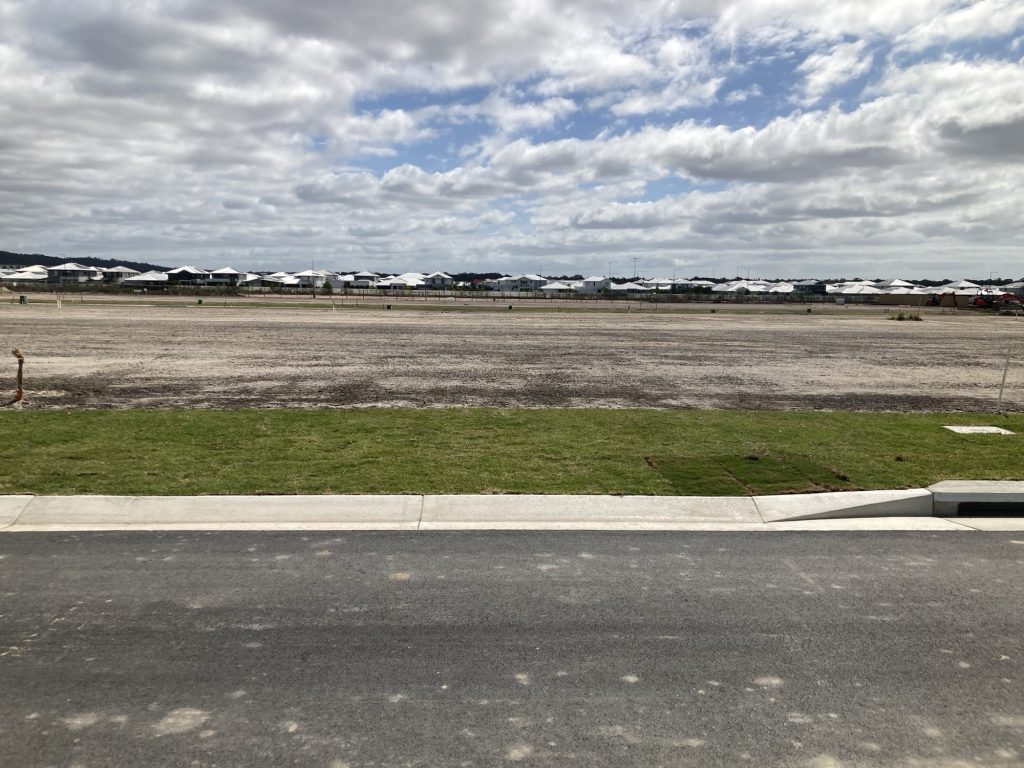
A site inspection also looks at the practical side of building: is there safe access for construction vehicles? Are services like power, water and sewer readily available, or will connections need extending? Are there easements or overlays, such as bushfire or flood risk zones, that could affect design or approval requirements?
These are the kinds of details that don’t always show up on a real estate listing, but they can have a real impact on cost, design flexibility and approval timeframes.
Why This Step Protects Your Investment
Buying land is one of the biggest financial decisions most people will make, and a build is only as strong as the ground it’s built on, literally and figuratively. A thorough site inspection gives buyers clarity before they commit, rather than surprises after.
For us, it’s about looking after our clients from the very first stage of their journey, not just once a contract is signed. Getting the right advice early means fewer surprises, better budgeting, and a design that genuinely suits the land it’s built on.
Building With Confidence, From the Ground Up
With over 40 years of experience building homes across South East Queensland, Dwyer Quality Homes understands that a great home starts long before the first brick is laid. If you’re considering a block of land, or already have one in mind, our team is here to help you understand exactly what it means for your build.
To learn more or to start your own building journey, get in touch with DQH today.
Other News from DQH